Introduction
Every choice plants a seed. Every action produces a result. The reap what you sow meaning captures this simple but profound truth: your life reflects what you have planted through your decisions, habits, and behaviors. This ancient wisdom, found in sacred texts and universal philosophies, explains why some people flourish while others struggle. Understanding this principle empowers you to take control of your future, one intentional action at a time.
What Is the Reap What You Sow Meaning?
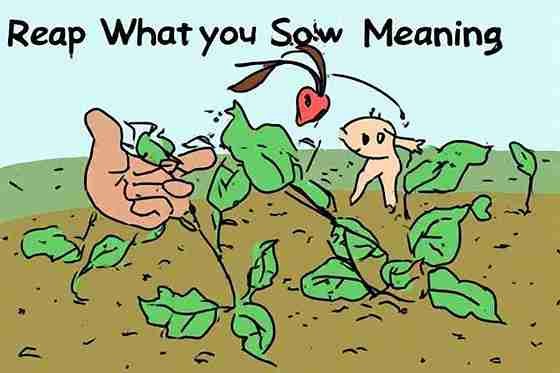
The reap what you sow meaning is straightforward: the outcomes you experience in life are directly connected to the actions you take today. To “sow” means to plant seeds—your actions, words, and choices. To “reap” means to harvest—the results, consequences, and rewards that follow.
Think of a farmer who plants corn seeds. That farmer cannot expect to harvest wheat. The same logic applies to life. When you plant kindness, you harvest goodwill. When you plant dishonesty, you harvest distrust. When you plant hard work, you harvest achievement.
This principle appears across cultures and belief systems. In Christianity, it comes from Galatians 6:7: “Do not be deceived: God cannot be mocked. A man reaps what he sows”. In Eastern traditions, it aligns with the law of karma. In psychology, it reflects the echo effect—what you put into the world returns to you.
The Biblical Origin of “Reap What You Sow”
The phrase traces directly to the Bible’s New Testament. The Apostle Paul wrote to the Galatians: “Be not deceived; God is not mocked: for whatsoever a man soweth, that shall he also reap”.
Galatians 6:7-9 in Context
Paul’s message carried a warning and a promise. He told the Galatians not to fool themselves into thinking their actions didn’t matter. God sees everything, and every action produces a corresponding result.
Paul explained two paths:
- Sowing to please the flesh leads to destruction
- Sowing to please the Spirit leads to eternal life
This wasn’t just spiritual advice. It was practical wisdom for daily living. Every choice either builds toward a better future or tears it down.
Old Testament Roots
Long before Paul wrote to the Galatians, the Old Testament taught the same truth. Hosea 8:7 warns: “They sow the wind, and they shall reap the whirlwind”. This means empty or destructive actions produce devastating consequences.
Proverbs 22:8 adds: “He who sows injustice will reap disaster”. The Bible consistently teaches that actions have consequences—both good and bad.
The Science Behind the Principle
The reap what you sow meaning isn’t just religious teaching. Science confirms this principle through multiple disciplines.
Cause and Effect
Every action triggers a reaction. This is the fundamental law of physics and human behavior. The law of cause and effect operates in every area of life. Farmers understand this instinctively. Plant good seeds, tend them well, and harvest a good crop.
The Echo Effect in Psychology
Psychologists observe the echo effect in human relationships. What you send out returns to you. If you speak negatively to others, negativity returns to you. If you offer kindness, kindness comes back.
Dr. John C. Morgan explains that people who repeat bad decisions “reap the pain over and over”. This isn’t punishment. It’s cause and effect working exactly as designed.
Reciprocity and Social Dynamics
The principle of reciprocity governs human interaction. When you give, you receive. When you help others, others help you. This isn’t about keeping score. It’s about how human communities naturally function.
How the Reap What You Sow Meaning Applies to Relationships
Relationships reveal the reap what you sow meaning more clearly than almost any other area of life.
Sowing Kindness, Reaping Trust
When you treat people with respect, honesty, and care, you build strong connections. Relationships flourish when you invest time, attention, and genuine concern. Small daily acts of kindness—a compliment, a thank you, a listening ear—plant seeds that grow into lasting friendships.
Sowing Negativity, Reaping Discord
The opposite also holds true. When you criticize, ignore, or manipulate others, you harvest conflict and isolation. Parents who neglect their children will eventually face the consequences of those choices.
The Marriage Connection
Marriage experts apply the reap what you sow meaning to relationships. Couples who consistently invest in their marriage through quality time, communication, and affection harvest deeper intimacy. Those who neglect their marriage harvest distance and disconnection.
The Reap What You Sow Meaning in Career and Business
Professional success follows the same principle. You cannot achieve great results without consistent effort.
Hard Work Produces Results
The reap what you sow meaning in business is clear: diligence, innovation, and perseverance lead to recognition and advancement. As one business leader put it, “You will reap what you sow, meaning if you sow snap beans, you will reap snap beans”.
The Law of Multiplication
Here’s an encouraging truth: you always reap more than you sow. Plant one kernel of corn and harvest multiple ears. Invest one hour of focused work and produce hours of value. The return on your investment is never equal—it’s always greater.
Ethical Business Practices
In sales and business, dishonesty comes back with interest. What you sow in deception, you will reap in lost trust and damaged reputation. Conversely, leaders who sow transparency, trust, and empowerment harvest loyalty and high morale.
Personal Growth and the Reap What You Sow Meaning
Your personal development depends entirely on what you plant in your mind and character.
Habits Shape Character
The reap what you sow meaning applies powerfully to habits. “Sow an act, and you reap a habit. Sow a habit and you reap a character. Sow a character and you reap a destiny”. Every small decision—what you read, how you spend your time, who you surround yourself with—plants seeds that determine who you become.
Thoughts Become Reality
Your thoughts are seeds too. What you think about most becomes your reality. If you constantly think negative thoughts, you will see negativity everywhere. If you practice gratitude and optimism, you will find more reasons to be thankful.
The Growth Mindset
People who embrace a growth mindset continuously expand their potential. They read, learn, reflect, and adapt. These habits sow seeds of wisdom that pay dividends throughout life.
Health and Well-Being
Your physical and mental health reflect the reap what you sow meaning more directly than you might realize.
Physical Health
A balanced diet, regular exercise, and adequate sleep produce vitality and strength. Neglecting these areas leads to chronic health issues. The choices you make today about food, movement, and rest determine how you feel tomorrow and years from now.
Mental Health
What you feed your mind matters enormously. If you constantly consume negative news, toxic social media, and stressful content, you will reap anxiety and overwhelm. If you invest in mental wellness through meditation, positive relationships, and purposeful activities, you harvest peace and resilience.
Common Misunderstandings About Reap What You Sow Meaning
Several misconceptions distort the true reap what you sow meaning.
Misunderstanding 1: It Happens Immediately
Many people expect instant results. But the harvest doesn’t come the same day you plant. Farmers plant in spring and harvest in autumn. Life works the same way. Your efforts today may take months or years to produce visible results. Patience is essential.
Misunderstanding 2: It’s Always Punishment
Some view the principle as harsh punishment. But the reap what you sow meaning is neutral—it simply describes how things work. Gravity isn’t punishment. It’s a law. The same applies here. Understanding this law helps you make better choices, not fear retribution.
Misunderstanding 3: You Reap Only What You Sow
In reality, you reap more than you sow. The harvest is always greater than the seed. This means your small acts of kindness, generosity, and effort produce multiplied returns over time.
Practical Steps to Apply the Reap What You Sow Meaning
Understanding the principle is one thing. Applying it transforms your life.
1. Audit Your Daily Actions
Look at your typical day. What are you planting? Your morning routine, work habits, interactions with family, and evening activities all sow seeds. Ask yourself: “What harvest am I creating?”
2. Sow Intentionally
Don’t just react to life. Choose your actions deliberately. Plant seeds that align with the future you want. If you want a successful career, plant excellence and continuous learning. If you want loving relationships, plant kindness and attention.
3. Be Patient with the Process
Seeds take time to grow. Don’t give up because you don’t see immediate results. Keep watering your efforts with consistency and persistence. The harvest will come.
4. Focus on What You Can Control
You control what you plant. You don’t control exactly when or how the harvest arrives. Focus on your actions—the sowing—and trust the process of reaping.
5. Learn from Poor Harvests
When things don’t go well, examine what you planted. Did you sow neglect, dishonesty, or laziness? Use disappointment as feedback, not as a reason to give up.
Related Concepts and Sayings
The reap what you sow meaning connects to many familiar expressions:
| Saying | Meaning |
|---|---|
| What goes around comes around | Your actions return to you |
| You get what you give | The treatment you extend comes back |
| Karma | Actions produce matching consequences |
| Cause and effect | Every action has a corresponding result |
| Accountability | You are responsible for your outcomes |
| Payback | Consequences follow actions |
| Harvest what you plant | Results match the effort invested |
| Sow the seeds of… | Initiating actions that lead to specific results |
Frequently Asked Questions
Q1: What does “reap what you sow” mean in simple terms?
Answer: It means your actions determine your outcomes. Plant good seeds (positive actions) and you harvest good results. Plant bad seeds (negative actions) and you face negative consequences. It’s the universal law of cause and effect applied to life.
Q2: Where does the phrase “reap what you sow” come from?
Answer: The phrase comes from the Bible, specifically Galatians 6:7: “Do not be deceived: God cannot be mocked. A man reaps what he sows”. The agricultural metaphor of sowing (planting) and reaping (harvesting) appears throughout Scripture and has become a common proverb in many languages.
Q3: Is “reap what you sow” the same as karma?
Answer: They share the same core idea: actions produce matching consequences. Karma comes from Eastern traditions and emphasizes spiritual consequences across lifetimes. The biblical version focuses on moral and practical outcomes in this life. Both teach personal responsibility.
Q4: How long does it take to reap what you sow?
Answer: There’s no fixed timeline. Some results appear quickly; others take years. Farmers plant in one season and harvest in another. Your efforts today may show up tomorrow, next year, or decades later. Patience and persistence matter more than speed.
Q5: Can you reap what you didn’t sow?
Answer: Sometimes you benefit or suffer from others’ actions. Children reap what parents sowed. Employees reap what leadership sowed. This is why choosing your environment and community matters. However, the principle primarily applies to personal accountability—you are responsible for your own seeds.
Q6: How can I apply “reap what you sow” to improve my life?
Answer: Start by examining your daily habits and choices. Identify what you’re planting in your relationships, career, health, and personal growth. Then intentionally sow seeds that align with your goals. Be patient, stay consistent, and trust that your efforts will produce results over time.
Conclusion
The reap what you sow meaning offers one of life’s most empowering truths. You are not a victim of circumstance. You are a farmer of your own future. Every word you speak, every action you take, and every thought you entertain plants seeds that will eventually produce a harvest.
This isn’t about fear or punishment. It’s about understanding how life works so you can make better choices. When you sow kindness, you harvest connection. When you sow hard work, you harvest achievement. When you sow integrity, you harvest trust. When you sow love, you harvest love.
The question isn’t whether you will reap what you sow. The question is: what are you sowing today?
Take a moment right now to reflect on your seeds. Are they planted with intention? Are they watered with consistency? Are they aligned with the future you truly want? Your answers will determine your harvest.
Start planting wisely. Your future self will thank you.