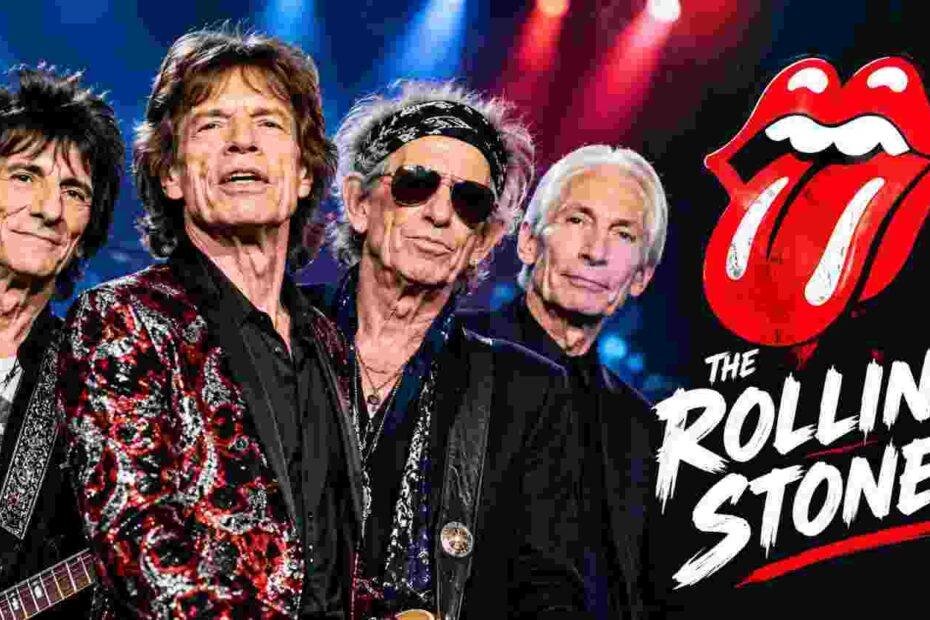
The World’s Greatest Rock and Roll Band
Few names in music command the same respect, mystery, and sheer adrenaline as The Rolling Stones. For over six decades, they have defined the sound, look, and attitude of rock music. This guide maps the complete journey of The Rolling Stones, from their gritty London beginnings to their status as global icons. You will discover the stories behind the music, the people who made the magic happen, and why their legacy remains unmatched. Whether you are a lifelong fan or a new listener, this is your central source for everything related to The Rolling Stones.
The Formation and the Blues Purists (1962-1964)
The story of The Rolling Stones begins not with original songs, but with a deep obsession with American blues. Childhood friends Mick Jagger and Keith Richards reconnected at a train station in Dartford, bonding over Muddy Waters and Chuck Berry records. They soon joined forces with guitarist Brian Jones, pianist Ian Stewart, and drummer Charlie Watts. Unlike their contemporaries, The Rolling Stones were determined to bring the raw, Black American blues sound to a British audience.
In the early days, The Rolling Stones played small clubs like the Crawdaddy Club in Richmond. Their look was deliberate: long hair, unsmiling faces, and a rebellious stance. This set them apart instantly from the clean-cut image of bands like The Beatles. Manager Andrew Loog Oldham saw the potential and pushed them to be the “anti-Beatles.” This strategy worked. The Rolling Stones signed with Decca Records and released their first single, a cover of Chuck Berry’s “Come On,” in 1963. Their early albums, such as The Rolling Stones (1964), were filled with covers, but they taught the band how to play as a tight unit.
The Glimmer Twins: The Jagger-Richards Songwriting Engine
The band’s trajectory changed forever when Andrew Loog Oldham locked Mick Jagger and Keith Richards in a kitchen and told them not to come out until they had written a song. The result was “As Tears Go By.” This moment birthed one of the most successful songwriting partnerships in history. Initially, they wrote ballads for other artists, but they soon found their voice with raw, riff-driven rock.
The Jagger-Richards partnership, often dubbed “The Glimmer Twins,” became the creative core of The Rolling Stones. Richards provided the iconic guitar riffs and musical skeletons, while Jagger supplied the lyrics, melodies, and unmatched stage presence. Their dynamic was a blend of tension and mutual respect. This friction produced a catalog of songs that define the rock genre. The Rolling Stones evolved from a cover band into a hit-making machine, producing classics like “(I Can’t Get No) Satisfaction,” “Paint It, Black,” and “Jumpin’ Jack Flash.”
The Golden Era: Four Consecutive Masterpieces
From 1968 to 1972, The Rolling Stones released a string of four albums that many critics consider the greatest run in rock history. This period saw the band move away from psychedelia and return to their blues-rock roots, but with a harder, more mature edge. They embraced the darkness and danger of the times.
- Beggars Banquet (1968): This album marked a return to form. It opened with the politically charged “Sympathy for the Devil” and closed with the acoustic beauty of “Salt of the Earth.” The production was raw and earthy.
- Let It Bleed (1969): This record captured the chaos of the late 1960s. It features the anthemic “Gimme Shelter,” the country-tinged “Country Honk,” and the menacing title track. It was the first album to feature guitarist Mick Taylor, who replaced Brian Jones.
- Sticky Fingers (1971): The first album on their own Rolling Stones Records label, it introduced the iconic tongue and lips logo. It features the Latin-tinged “Brown Sugar,” the heartbreaking “Wild Horses,” and the sprawling “Can’t You Hear Me Knocking.”
- Exile on Main St. (1972): Recorded in a basement in the South of France, this double album is a murky, sprawling masterpiece. It is a fusion of rock, blues, gospel, and country. It represents The Rolling Stones at their most collaborative and creatively free.
The Rolling Stones: The Legendary Band Members
The Rolling Stones are more than just a band; they are a collection of distinct, powerful personalities. Each member brought a specific element to the group’s chemistry.
- Mick Jagger (Lead Vocals): The ultimate frontman. Jagger’s energetic stage presence, distinctive voice, and business acumen have guided The Rolling Stones for decades. He is a symbol of rock and roll swagger.
- Keith Richards (Guitar): The human riff. Richards’ guitar playing is the sonic foundation of The Rolling Stones. His open-tuned, five-string style created some of the most recognizable guitar parts in history. His partnership with Jagger is the stuff of legend.
- Charlie Watts (Drums): The quiet backbone. Watts provided a swing and a steady groove that was the perfect counterpoint to the chaos around him. He was the jazz-loving engine that made The Rolling Stones swing. His death in 2021 marked the end of an era.
- Ronnie Wood (Guitar): The glue. Joining officially in 1975, Wood’s slide guitar and rhythm playing meshed perfectly with Richards’ style. He brought a sense of camaraderie and joy back to the band.
Other crucial figures include original leader Brian Jones, whose multi-instrumentalism was vital to the early sound, and virtuoso guitarist Mick Taylor, whose technical brilliance defined the Golden Era.
Most Iconic Albums and Enduring Songs
The discography of The Rolling Stones is a treasure trove of rock history. Beyond the Golden Era, they continued to release significant work. Albums like Some Girls (1978) showed they could adapt to punk and disco, while Tattoo You (1981) was a massive commercial success fueled by the hit “Start Me Up.” Their most recent album of original material, Hackney Diamonds (2023), proved their creative fire still burns.
Here is a breakdown of their most essential songs:
| Song Title | Release Year | Key Characteristic | Cultural Significance |
| (I Can’t Get No) Satisfaction | 1965 | Keith Richards’ fuzz-tone guitar riff | Became an anthem of teenage frustration worldwide. |
| Paint It, Black | 1966 | Brian Jones’ driving sitar riff | Showcased the band’s willingness to experiment with sounds. |
| Sympathy for the Devil | 1968 | A hypnotic samba-rock groove | A daring lyrical exploration of evil from a first-person view. |
| Gimme Shelter | 1969 | Apocalyptic mood with backing vocals by Merry Clayton | Captured the violent and uncertain spirit of the late 1960s. |
| Angie | 1973 | A tender, acoustic ballad | Demonstrated the band’s softer, more vulnerable side. |
| Start Me Up | 1981 | Keith Richards’ infectious open-G riff | Revitalized their career for the MTV generation. |
The Rolling Stones’ Enduring Cultural Impact
The influence of The Rolling Stones extends far beyond music. They created the blueprint for the modern rock band. Their infamous logo, the tongue and lips designed by John Pasche, is one of the most recognizable symbols in the world. It represents rebellion, sexuality, and the power of rock and roll.
The Rolling Stones also changed the business of music. They were among the first to demand and receive creative control over their album covers and recording process. Their tours set new standards for scale and production. The Voodoo Lounge and Bridges to Babylon tours of the 1990s were massive global events. The Rolling Stones proved that a rock band could be a multi-generational cultural force, selling out stadiums for decades.
Essential Live Performances and Tours
The Rolling Stones are, at their core, a live band. Their records are legendary, but their concerts are where the legend comes alive. Mick Jagger’s command of the stage is unmatched. The band feeds off the energy of the crowd, creating a unique experience every night.
Some of their most historic performances include the 1969 free concert at Hyde Park, which was a tribute to Brian Jones, and the tragic Altamont Speedway concert later that year. The Exile on Main St. tour of 1972 was a raw, chaotic display of rock and roll excess. More recently, their “No Filter” and “Sixty” tours demonstrated their enduring vitality. Seeing The Rolling Stones live is not just a concert; it is a masterclass in performance.
Frequently Asked Questions About The Rolling Stones
Here are answers to some of the most common questions people have about The Rolling Stones.
Q: How did The Rolling Stones get their name?
A: The story goes that Brian Jones was on the phone with a jazz magazine and, when asked for the band’s name, he saw a Muddy Waters record titled Rollin’ Stone. He took the name from that track, and The Rolling Stones were born.
Q: Who are the original members of The Rolling Stones?
A: The original 1962 lineup consisted of Mick Jagger (vocals), Keith Richards (guitar), Brian Jones (guitar), Ian Stewart (piano), and Dick Taylor (bass). Charlie Watts joined the band in 1963, and Bill Wyman became the permanent bassist shortly after.
Q: Are The Rolling Stones still touring?
A: Yes, The Rolling Stones have continued to tour into the 2020s. Their most recent tour, the “Hackney Diamonds Tour,” began in 2024. Mick Jagger and Keith Richards have repeatedly stated their intention to continue performing as long as they are physically able.
Q: What is the most famous song by The Rolling Stones?
A: While they have many, “(I Can’t Get No) Satisfaction” is widely considered their most famous song. Its iconic riff and rebellious lyrics captured a generation and became their first number-one hit in the United States.
Q: Who designed the Rolling Stones’ tongue logo?
A: The iconic tongue and lips logo was designed by a young art student named John Pasche in 1970. Mick Jagger commissioned it for their new record label, and it has since become the primary symbol for The Rolling Stones.
Q: Why did Mick Taylor leave The Rolling Stones?
A: Mick Taylor left the band in 1974, citing creative differences and a lack of songwriting credits. He felt he deserved more recognition for his musical contributions to albums like Sticky Fingers and Exile on Main St.
Conclusion
The story of The Rolling Stones is one of survival, reinvention, and an unwavering commitment to the power of rock and roll. They have weathered tragedy, addiction, creative battles, and the loss of bandmates, yet they continue to create and perform. Their music is a testament to the enduring power of the blues, the thrill of rebellion, and the magic of two childhood friends who shared a dream. The Rolling Stones are not just a band; they are a living, breathing piece of history. Put on Let It Bleed, turn it up loud, and experience the greatest rock and roll band in the world.